
Summary
Isolation and depression in older adults can quietly develop as social connections fade, but assisted living helps combat both by building daily interaction, meaningful activities, and professional support into everyday life. When residents share meals, join programs, and cross paths naturally throughout their community, loneliness transforms into belonging.
- Shared meals, common areas, and the community layout create natural opportunities for friendship and daily connection without forced effort.
- Structured programs led by activities directors offer purpose, learning, and accomplishment through fitness classes, arts, entertainment, and social events.
- Care teams trained to notice mood changes and access to mental health professionals provide early support and peace of mind for families.
- Family visits shift from managing daily tasks to enjoying quality time together when professional support handles care and connection needs.
The phone calls get shorter. The Thursday card game quietly stops. A parent who once filled the calendar now spends most days in a quiet apartment and insists they’re fine. Nothing dramatic has happened, which is exactly why it’s easy to overlook.
Many families sense that loneliness in seniors is more than a rough week, but it’s hard to know what to do about it. Assisted living can help combat isolation and depression by putting conversation, routine, and support within reach every day. Here’s how that works, starting with what isolation does to mental health.
Understanding the Connection Between Isolation and Mental Health
The U.S. Surgeon General’s 2023 advisory on loneliness compared the health impact of social disconnection to smoking up to 15 cigarettes a day. Older adults without regular social interaction also face higher risks of depression, anxiety, and cognitive decline. The problem often builds slowly as mobility changes, friends move away, or family members get busy with their own lives. By the time it’s obvious, a loved one may have gone weeks without a real conversation.
Depression in seniors is frequently overlooked because it doesn’t always look like sadness. A parent may not say they feel low at all. Common signs include:
- Physical complaints with no clear medical cause
- Lost interest in hobbies once enjoyed
- Irritability or withdrawal from conversation
- Skipping outings and programs they used to look forward to
Families sometimes write these changes off as normal aging, which can delay support that would help. Noticing them early gives everyone more options, and it makes the next step feel less like a crisis and more like a plan.
Daily interaction is also one of the most practical senior isolation solutions. When residents see familiar faces each day and share activities, a sense of belonging builds naturally, without anyone having to force it.
Built-In Social Connection in Senior Living
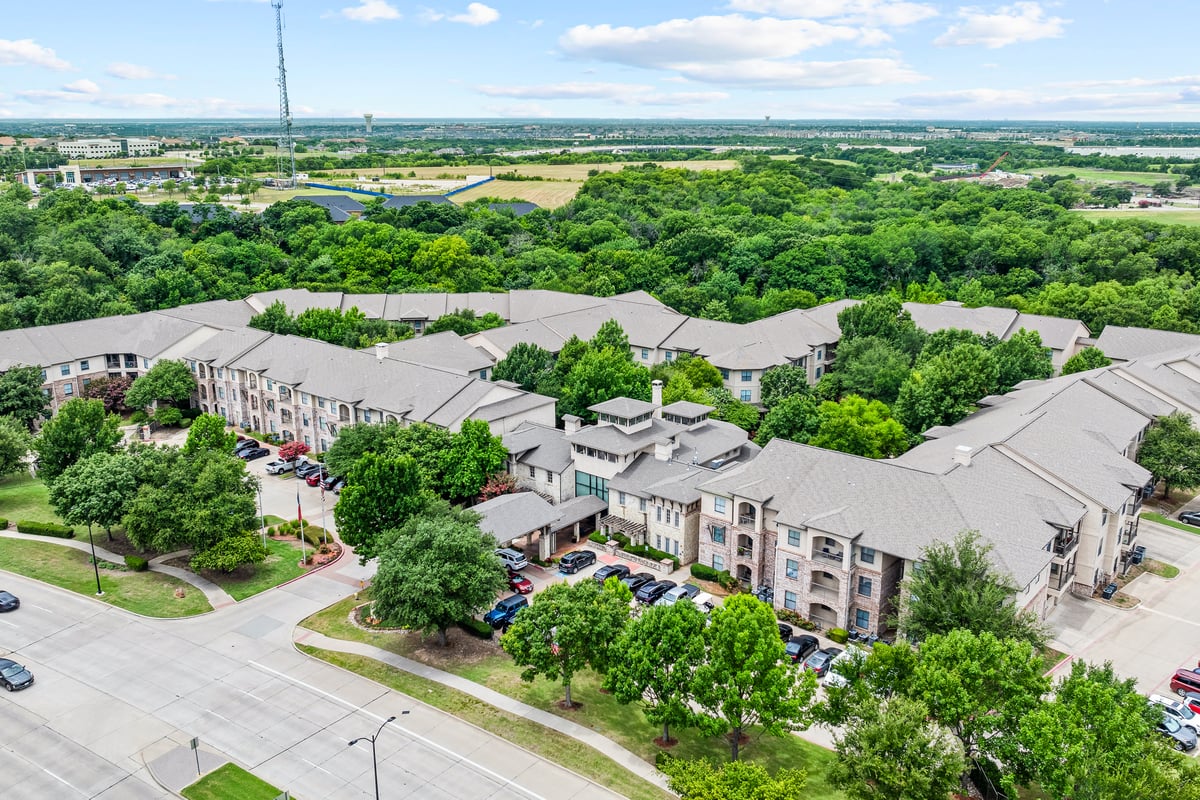
Social connection in senior living starts with ordinary moments. Residents in our Assisted Living community in Frisco, TX, share chef-prepared meals daily in welcoming dining rooms, which ends the loneliness of eating alone. Friendships often begin at the table, with a shared opinion about the soup of the day, and carry into the rest of the afternoon. Seasonal and rotating menus created with resident input through the Sensations dining program give mealtimes something to talk about as well as something to eat.
Common areas add more chances to connect. Morning coffee in a cozy lounge, a puzzle in a program room, or a quick hello in the hallway puts residents among neighbors who understand what they’re going through. For someone who spent most days alone, that easy access to company can change how a day feels.
The layout of the community does quiet work, too. Residents cross paths several times a day without planning to, and those small, repeated encounters often turn into familiar faces and then into friends. Nobody has to make an effort to be social, because company is simply part of the day.
Purposeful Programming That Encourages Engagement
Structured programs support mood by offering purpose, stimulation, and company. Our senior living programs at Parkview in Frisco are built around residents’ interests, with options such as:
- Fitness and wellness classes
- Art classes and creative projects
- Educational lectures
- Live music, entertainment, and table games
Full-time Activities Directors shape the calendar, so there’s usually a reason to get up, get dressed, and join in. Having something to look forward to can lift mood, and learning a new skill or helping with a group project brings its own sense of accomplishment.
Special events add some extra spark. Holiday parties, visiting entertainers, and outings listed with the community events create shared memories and give residents plenty to talk about afterward. Together, the daily calendar and the occasional celebration give the week a rhythm that’s hard to build alone. Complimentary scheduled transportation, where available, also makes it easier to get out for errands or a change of scenery with friends and neighbors.
Assisted Living and Mental Health Benefits Beyond Social Time
The mental health benefits of assisted living reach past the activity calendar. Care teams are trained to notice signs of depression and can let families know when added support might help. That attention gives families confidence that a change in mood won’t go unnoticed.
Many communities also work with mental health professionals who provide counseling or other services. Having those resources close by removes a barrier for older adults who might not ask for help on their own. Families gain peace of mind knowing emotional well-being gets the same attention as physical needs.
Everyday relationships matter just as much. When team members know residents personally, they notice shifts in mood or behavior, such as a resident who stops coming to breakfast, and can offer encouragement early. Those relationships act as a safety net, catching small concerns before they grow.
Family Involvement and Peace of Mind
After a move, many families notice a change in their loved one’s mood and engagement. With daily company and support close by, visits can center on time together instead of daily tasks and worry. A Sunday afternoon can go back to being about conversation and a favorite dessert. Because the community sits near Frisco Square and The Rail District, an outing for dinner or a walk is easy to plan.
Communities also welcome families at programs and events, which creates more shared moments. Some families find the relationship feels easier once connection replaces caretaking, since everyone gets to enjoy their time together more fully.
Regular communication with the care team keeps families informed about how a loved one is doing and what might help next.
Taking the First Step Toward Connection
If a loved one spends most days alone, has stopped joining programs, or talks about feeling lonely, it may be time to explore assisted living options. A visit shows you how residents interact, take part in programs, and enjoy each other’s company, which says more than any description can. To see how connection fills a typical day at Parkview in Frisco, TX, schedule a personalized tour today.